The Controversy Surrounding Alleged Leaks of Celebrity Therapy Sessions: A Closer Look at the Justin Bieber Case
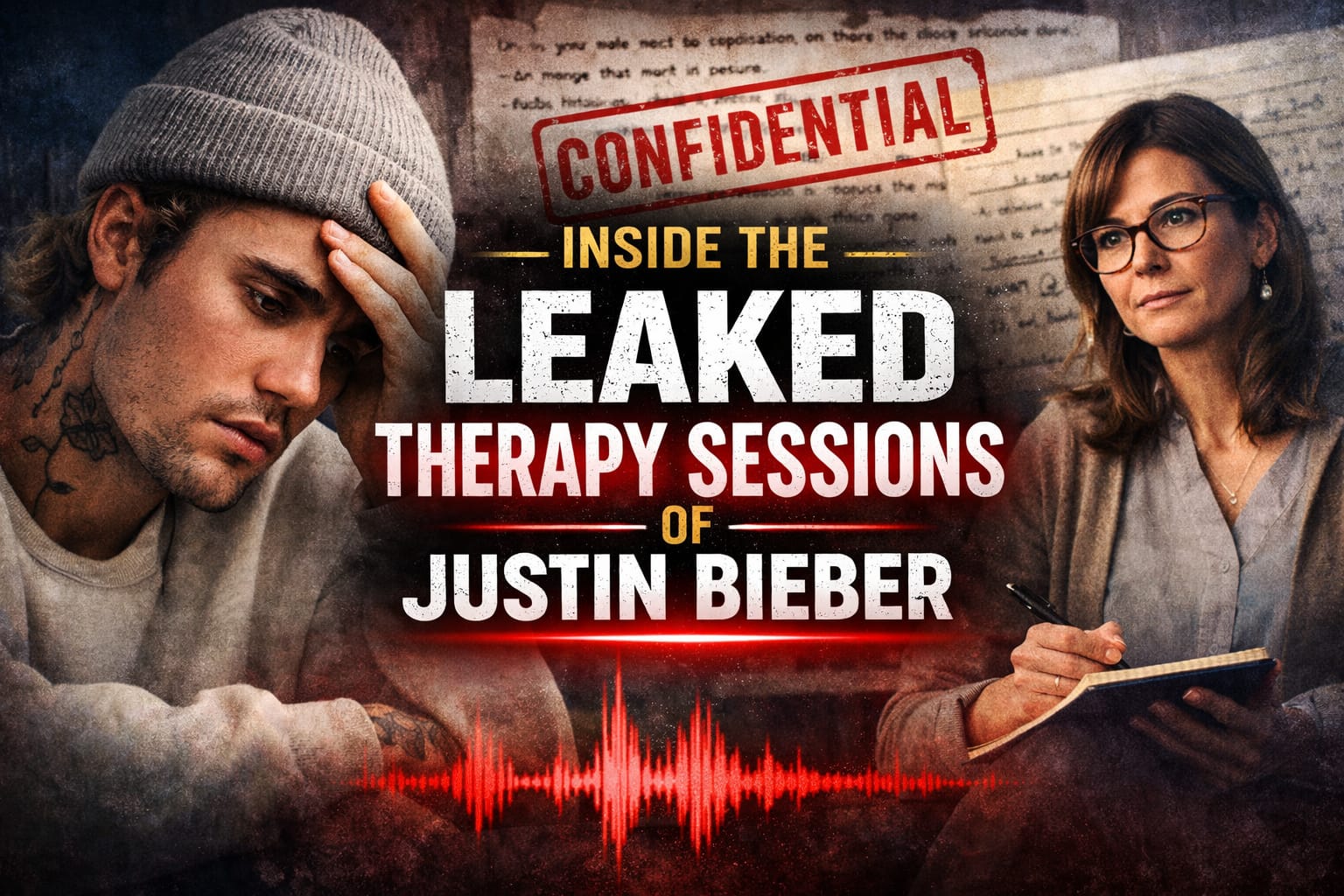
In recent weeks, social media has been flooded with claims that private therapy sessions involving global pop icon Justin Bieber may have been leaked to the public. While no official confirmation has been issued, the rumors have sparked widespread debate about privacy, ethics, and the boundaries between celebrity life and personal healing.
The alleged leaks first gained traction on online forums, where anonymous users claimed to have access to deeply personal conversations between Bieber and a licensed therapist. These supposed transcripts, which quickly spread across platforms like TikTok and X (formerly Twitter), painted a raw and vulnerable portrait of the singer—one that resonated strongly with fans but also raised serious concerns.
According to these circulating claims, the sessions revealed Bieber speaking candidly about anxiety, past trauma, and the pressures of fame from a young age. Some excerpts described emotional breakdowns, struggles with identity, and the burden of living under constant public scrutiny. While many fans expressed empathy, others questioned whether such deeply personal content should ever be exposed—regardless of its authenticity.
However, experts in media ethics have urged caution. Without credible verification, these so-called leaks remain unsubstantiated. Mental health professionals have also weighed in, emphasizing that therapy sessions are protected by strict confidentiality laws. If such a breach were real, it would represent a serious violation of both legal and ethical standards.
Interestingly, the situation has been further complicated by Bieber’s own artistic expression. In recent years, he has openly addressed his mental health through music and interviews. Tracks that feel almost like spoken-word confessions have blurred the line between art and reality, leading some listeners to believe they are hearing direct excerpts from therapy.